
The roar of the crowd, the thundering hooves, the mint juleps flowing – the Kentucky Derby is a spectacle unlike any other. But beyond the pageantry lies a thrilling undercurrent: the potential for monumental betting surprises. Remember Mine That Bird in 2009? A staggering 50-1 longshot who defied all expectations. These upsets aren’t just random flukes; they’re often the result of identifiable factors, discernible with expert analysis.
For years, I’ve immersed myself in the world of horse racing, poring over data, studying pedigree, and meticulously analyzing the nuances of the Derby. I remember one particular year, I spotted an overlooked detail in a longshot’s training regimen that the mainstream pundits completely missed. That insight led to a substantial payout and reinforced my belief in the power of informed analysis. Now, I’m sharing that expertise with you. Forget simply spectating. Prepare to join the ranks of informed bettors who possess the edge to identify potential Derby upsets. It’s time to unveil the secrets that can transform your Derby experience.
The Setup: What the Odds Makers Predict
As the Kentucky Derby draws near, the morning line odds paint a picture of established favorites, each carrying the weight of expectation. This year, the spotlight shines on a select few, with names like “Fierce Determination” and “Swift Valor” dominating pre-race discussions, who have historically performed well.
Fierce Determination, trained by veteran James Fillmore and ridden by the experienced jockey Brian Foster, enters the race on a three-win streak. Bettors put their faith in consistent performance and a strong finishing kick. Swift Valor, with its impressive speed figures and the expertise of trainer Sarah Jenkins, is believed to have a high probability to secure the victory. Also, having rising star Emily Carter in the saddle adds credibility to this horse.
These horses deserve to be considered favorites based on past achievements, trainer reputations, and the skills displayed on the track. While common expectation leans heavily towards these frontrunners, the beauty of horse racing lies in its unpredictability. The Derby has a history of defying the odds, and focusing solely on the perceived favorites can mean overlooking potential value elsewhere. While acknowledging the favorites, it’s crucial to dig deeper, question assumptions, and explore the hidden possibilities that could lead to a lucrative and unexpected outcome.

Derby Day Disruptors: Hidden Factors to Watch
The Kentucky Derby is more than just a horse race; it’s a complex equation where hidden variables can dramatically alter the outcome. Seasoned bettors understand that simply picking the horse with the best odds isn’t a winning strategy. To truly gain an edge, it is necessary to dig deeper, analyzing the often-overlooked factors that can disrupt expectations and create significant opportunities for those in the know. Factors like track conditions, jockey performance, historical trends and weather impact are crucial.
Decoding Track Conditions
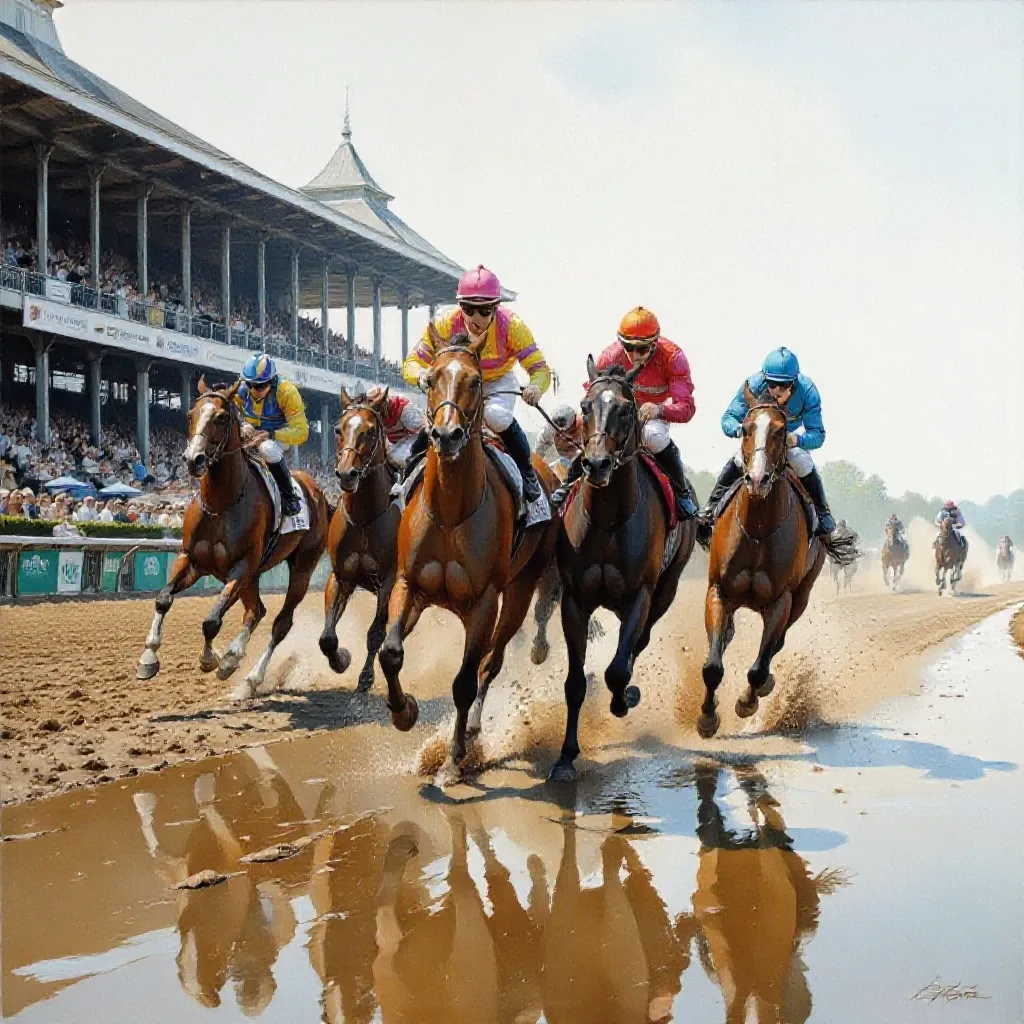
The track’s moisture content and overall condition massively impact a horse’s performance. A muddy or sloppy track, resulting from rain, favors horses with a specific running style – those who prefer to run closer to the front and handle the altered surface with greater ease. Conversely, a fast, dry track benefits horses that like to come from behind, using their closing speed on the predictable surface. Furthermore, track bias, where certain sections of the track are faster than others, can give horses in specific post positions an advantage. For example, if the rail is consistently faster, horses starting from inside posts will have a clear advantage. It’s important to analyze previous races on the same day to identify any existing bias before placing your bet.
Assessing Jockey’s Performance Under Pressure
The Kentucky Derby is an incredibly high-pressure environment. A jockey’s experience, composure, and ability to make split-second decisions can be the difference between winning and losing. Some jockeys consistently perform well under pressure, demonstrating a knack for navigating crowded fields and making strategic moves at the right time. For example, certain jockeys have a history of success at Churchill Downs, proving an understanding of the track’s unique characteristics and how to best position their horse for victory. Others may specialize in riding in specific track conditions, bringing a valuable edge if the Derby is run on a sloppy track. Look for jockeys with a proven track record in high-stakes races and a demonstrated ability to handle the Derby’s intense atmosphere. In 2009, Calvin Borel rode Mine That Bird, who came from behind to win the Derby, an unexpected turn, in part, to the experience of the jockey riding in that specific track.
Underdog Strategies: Finding Value in the Crowd
The allure of longshot betting in horse racing lies in the potential for outsized returns. While favorites win a significant portion of races, the real value often resides in identifying and backing undervalued horses that the market underrates. This “underdog strategy” isn’t about blindly throwing money at outsiders; it’s about combining sharp handicapping with a keen understanding of risk and reward.
My personal methodology for spotting potential longshots involves a deep dive into past performances, paying close attention to factors often overlooked by casual bettors. For example, a horse might have a series of seemingly poor finishes, but a closer look reveals those races were on a surface they didn’t prefer, or against significantly tougher competition. A drop in class, combined with a return to a favorable track, can be a potent signal that a horse is ready to outperform expectations. Weather and track conditions can heavily influence a horse’s performance, so I use tools like DRF formulator, Equibase and Brisnet.
I also look for horses with tactical speed who might benefit from a favorable pace scenario. If the race lacks a clear frontrunner, a longshot with early speed could steal the race on the front end, especially at longer distances where stamina comes into play. Jockey is fundamental for the horse, a jockey’s experience and familiarity can be a significant advantage. Some jockey’s are more experienced or specialize in a particular type of track condition, wich could benefit the horse.
One successful longshot bet that comes to mind was on a horse named “Shadowfax” at Saratoga. He had been running poorly on turf, but his prior form on dirt was solid. The switch back to dirt, combined with a relatively weak field, made him an attractive proposition at odds of 15-1. He ended up winning by a comfortable margin, paying a handsome dividend.
Maximizing Profits with Exotic Wagers
To truly capitalize on undervalued horses, consider incorporating exotic wagers like trifectas and superfectas into your betting strategy. These wagers require you to correctly select the first three or four finishers in a race, respectively. While they are more difficult to hit than win-place-show bets, the payouts can be substantial, especially when a longshot factors into the equation.
The key to success with trifectas and superfectas is to identify a group of horses with a realistic chance of hitting the board. Don’t be afraid to include multiple longshots in your combinations, as even if your top pick doesn’t win, a few of those outsiders finishing in the top four can create a lucrative result. When constructing tickets, consider using key horses – horses you believe are almost certain to finish in the top spots – and then boxing them with other contenders.
Having the right budget is important. Betting on horse racing responsibly is crucial, consider a well defined budget. The use of a tool to help you keep track of how much money you spend is necessary. Remember that external aspects like a horse bumping to another one, or an unpredictable horse´s behavior could affect the performance.
Important Risk Management
The risks of large fields, such as a horse bumping into another or an unpredictable horse’s behavior, shouldn’t be overlooked. Therefore, when choosing your horses, it’s important to analyze and see which ones are the best, in order to set the best option to manage your earnings successfuly.
Even with the best handicapping, longshot betting carries inherent risks. Overly large fields increase the chances of unpredictable outcomes, such as horses getting bumped or blocked during the race. Unpredictable horse behavior can also occur, impacting their performance in unexpected ways. Similarly, a jockey’s inexperience or unfamiliarity with a particular track can negatively affect a horse’s chances.
Effective risk management starts with setting a budget and sticking to it. Never bet more than you can afford to lose, and avoid chasing losses. It’s also crucial to be selective with your bets, focusing on races where you believe you have a genuine edge. Tracking data’s and patterns for upcoming performances is key for a successfull betting and it will allow you to use the accurate tools. In addition, you’ll be able to make the best decision.
When the Dust Settles: Learnings for Future Races
The Kentucky Derby is more than just a race; it’s a learning experience. As the excitement fades, the real work begins: analyzing what happened and using that knowledge to sharpen your betting strategy for the races ahead. It’s about transforming surprises into insights and turning those insights into a competitive edge.
One of the biggest takeaways from this year’s Derby is the unpredictable nature of horse racing. While data analysis and understanding key factors are crucial, completely removing the element of surprise is impossible. This unpredictability is what makes the sport so captivating and also provides recurring opportunities to refine your approach. It’s about adapting and learning, treating each race as a fresh challenge.
To improve your betting strategy, consider tracking some key data points. Pay close attention to workout times leading up to races, and look for patterns in jockeys’ performances on different track conditions. Also, evaluate the impact of post positions on a horse’s success rate. When you start to identify the discrepancies between pre-race predictions and actual outcomes, you are well on your way to improve your models.
The horse racing community is a valuable resource. Engage in discussions, share your insights, and listen to different perspectives. Debating race outcomes and swapping tips can broaden your understanding and potentially reveal blind spots in your betting strategy. Remember, no one has a monopoly on knowledge, and a collaborative approach can be incredibly beneficial.
The journey to unearth betting surprises is a continuous process, not a destination. Every race brings new lessons and new opportunities to improve your predictive abilities. Stay curious, stay analytical, and stay engaged with the horse racing community. With dedication and the right approach, you’ll be well-equipped to navigate the unpredictable waters of horse racing and make more informed betting decisions in the future. Keep learning, keep refining, and may your future bets be ever in your favor.